
From Basement Hobby to Booming Business: 3D Printing Success Stories
Real stories of makers who turned their 3D printing passion into thriving businesses.
The Spark: From Hobbyist to Dreamer
Every successful 3D printing business starts with a spark. For many, it begins as a hobby – a fascination with the technology, the ability to create tangible objects from digital designs, and the sheer joy of bringing ideas to life. This spark often ignites in a basement workshop, a spare room, or even a corner of the kitchen. It’s fueled by countless hours of tinkering, experimenting with different filaments, and learning the nuances of printer settings.
But the journey from hobbyist to entrepreneur isn’t just about mastering the technology. It’s about recognizing the potential to turn that passion into a viable business. It’s about seeing a gap in the market, identifying a need, or simply believing that your creations are valuable enough for others to pay for. This is where the ‘dreamer’ emerges, the individual who dares to envision a future where their hobby becomes their livelihood. The first step is always the hardest, but it is the most exciting.
Etsy and Beyond: Finding Your Market
For many 3D printing entrepreneurs, Etsy serves as the perfect launching pad. It’s a low-risk, accessible platform with a built-in audience of potential customers eager for unique, handcrafted items. Etsy provides the initial exposure and validation needed to test the market and refine your product offerings. However, success on Etsy requires more than just listing your creations. It demands compelling product photography, detailed descriptions, competitive pricing, and excellent customer service.
But Etsy is just the beginning. As your business grows, you may need to expand your reach beyond the platform. This could involve creating your own website, selling at local craft fairs, or even partnering with retail stores. The key is to diversify your sales channels and build a strong brand identity that resonates with your target audience. Understanding your customer and where they shop is paramount to your success.

Scaling Up: Overcoming the Challenges
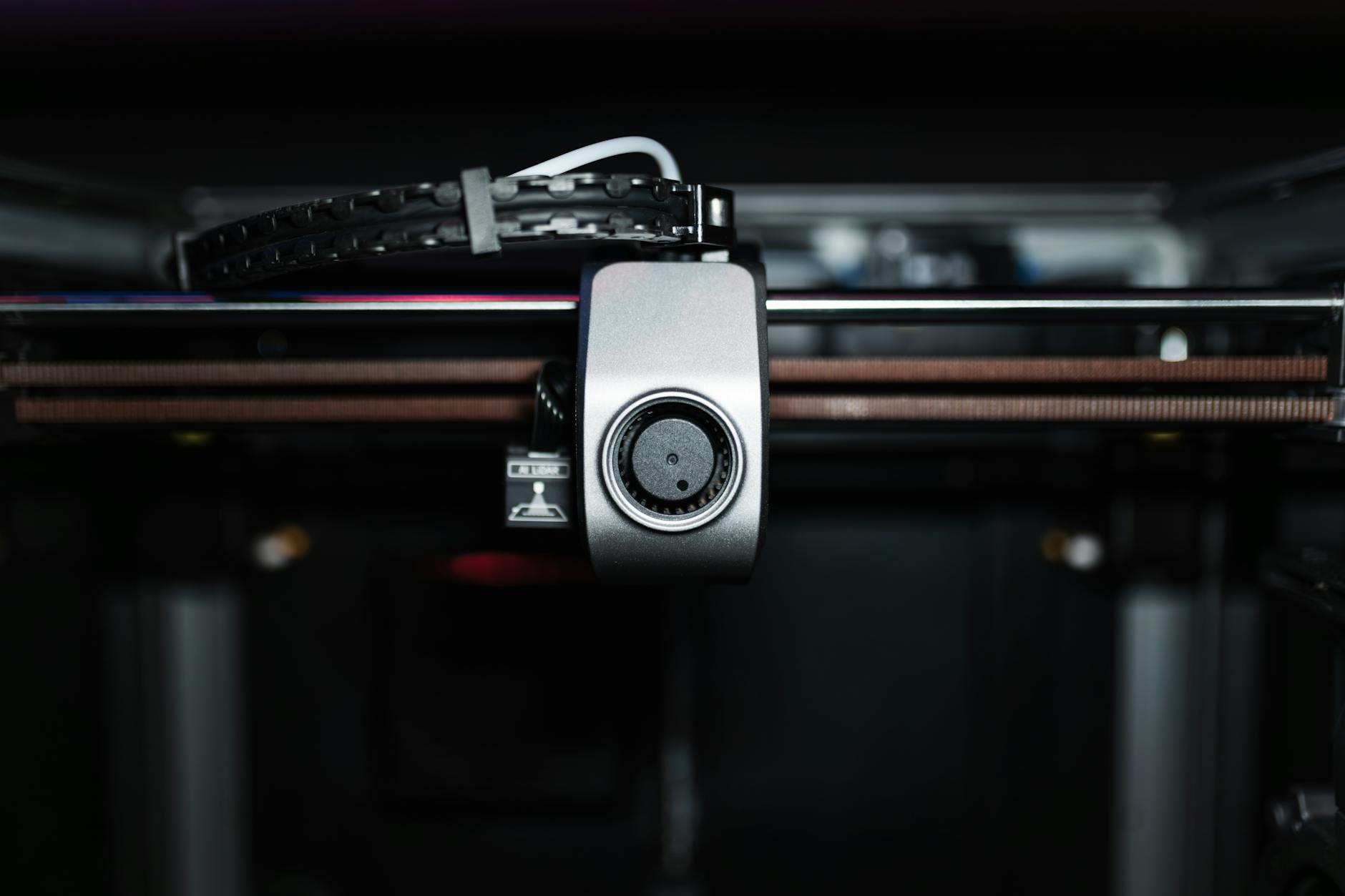
Scaling a 3D printing business presents unique challenges. As demand increases, you’ll need to invest in more equipment, optimize your workflow, and potentially hire help. Managing production, inventory, and shipping can become overwhelming, especially when you’re still operating from a home-based workshop. This is where efficient production planning and smart financial management become essential.
Consider investing in multiple 3D printers to increase your production capacity. Explore automation tools to streamline your workflow. And don’t be afraid to delegate tasks to others, whether it’s hiring a part-time assistant or outsourcing certain aspects of your business. The key is to find a balance between maintaining quality and meeting the growing demands of your customer base. SeekMake helps you calculate the costs of scaling your business, providing insights into material costs, labor expenses, and machine depreciation, enabling smarter decisions for growth.
The Power of Niche: Standing Out from the Crowd
The 3D printing market is becoming increasingly competitive, so it’s crucial to find a niche that sets you apart. This could be anything from specializing in a particular type of product (e.g., architectural models, custom figurines, or assistive devices) to targeting a specific demographic (e.g., pet owners, gamers, or educators). By focusing on a niche, you can better understand your target audience, tailor your marketing efforts, and establish yourself as an expert in your field.
Research what’s trending and what gaps exist in the market. Consider your own passions and interests – what are you genuinely excited about creating? When you combine your passion with a viable market opportunity, you’re more likely to create a successful and sustainable business. For example, one entrepreneur found success by creating custom 3D-printed terrain for tabletop games, tapping into a large and passionate community of gamers.
Never Stop Learning: Adapting and Innovating
The 3D printing industry is constantly evolving, with new materials, technologies, and applications emerging all the time. To stay ahead of the curve, it’s essential to embrace a mindset of continuous learning. Attend industry events, read trade publications, and participate in online forums to stay informed about the latest trends and advancements. Experiment with new materials and techniques to expand your product offerings and improve the quality of your creations.
Don’t be afraid to try new things and take calculated risks. Some of the most successful 3D printing businesses were born out of experimentation and a willingness to challenge the status quo. Remember, innovation is the key to long-term success in this rapidly changing industry. Use SeekMake to experiment with different materials and parameters, allowing you to optimize your designs and printing processes for maximum efficiency and profitability.
Success Stories: Inspiration in Action
Consider Sarah, who started by printing phone cases as a hobby. After noticing a demand for personalized designs, she opened an Etsy shop. Within a year, she quit her day job and now runs a thriving business, employing several assistants and shipping her custom phone cases worldwide. Or David, who designs and prints prosthetic hands for children in need. His passion for helping others combined with his 3D printing skills has not only created a successful business but also made a significant impact on the lives of countless families.
These are just a few examples of the many 3D printing entrepreneurs who have turned their passion into profit. Their stories serve as inspiration and proof that with hard work, dedication, and a little bit of creativity, anyone can achieve their dreams. The journey may be challenging, but the rewards are well worth the effort. If they can do it, so can you!
Key Takeaways
- 3D printing success story
- Etsy success
- 3D printing entrepreneur journey
- 3D printing business
- Side hustle