
Top 3D Printers to Launch a Profitable Etsy Store in 2026
Transform your 3D printing passion into a thriving Etsy business with the right equipment.
Choosing the Right 3D Printer: Key Considerations for Etsy Success
So, you’re thinking about launching an Etsy store based on your 3D printing skills? Excellent choice! The demand for unique, customized products is booming, and 3D printing offers incredible potential. However, not all 3D printers are created equal when it comes to running a business. You need a machine that delivers consistent quality, reliability, and speed – all while keeping costs down. This article will guide you through the best 3D printer options for starting a profitable Etsy store in 2026.
Before we dive into specific models, let’s outline the key factors to consider. Reliability is paramount. You don’t want to spend more time troubleshooting than printing. Print quality is crucial for customer satisfaction and repeat business. Build volume determines the size of products you can create. Material compatibility broadens your product range. And, of course, price is a significant factor, especially when you’re just starting out.
The Prusa MK4: A Workhorse for High-Quality Prints
The Prusa MK4 stands out as an exceptional choice for Etsy sellers. It’s known for its exceptional print quality right out of the box and its reliability. The MK4 boasts a robust design, a large user community, and excellent support, making troubleshooting easier. Its direct drive extruder handles a wide variety of filaments, including PLA, PETG, ABS, and even flexible materials like TPU, allowing you to diversify your product offerings. The auto-leveling feature ensures perfect first layers, reducing wasted filament and failed prints. While it’s an investment, the Prusa MK4’s reliability and print quality translate to fewer headaches and happier customers in the long run.
Consider adding the Multi Material Upgrade (MMU3) later on to enable multi-color printing, giving you even more creative possibilities and a competitive edge on Etsy. The MK4 is truly a solid foundation for a growing 3D printing business.
Creality Ender 3 V3 SE: The Budget-Friendly Option with Impressive Capabilities
If you’re on a tighter budget, the Creality Ender 3 V3 SE is an excellent entry point. It offers a remarkable balance of affordability and performance. While it might require some initial tweaking and upgrades, the Ender 3 V3 SE is capable of producing impressive prints. Its active auto leveling and rigid frame contribute to print consistency, and the large online community provides ample resources for troubleshooting and upgrades. It is easy to assemble for beginners. This model is a good choice if you want to start with a lower upfront investment and gradually upgrade your setup as your Etsy business grows. Consider upgrading the hotend and extruder down the line for improved performance with more advanced materials.
The Ender 3 V3 SE is a good starting point, but be prepared to invest time in learning the ins and outs of 3D printing and troubleshooting common issues.
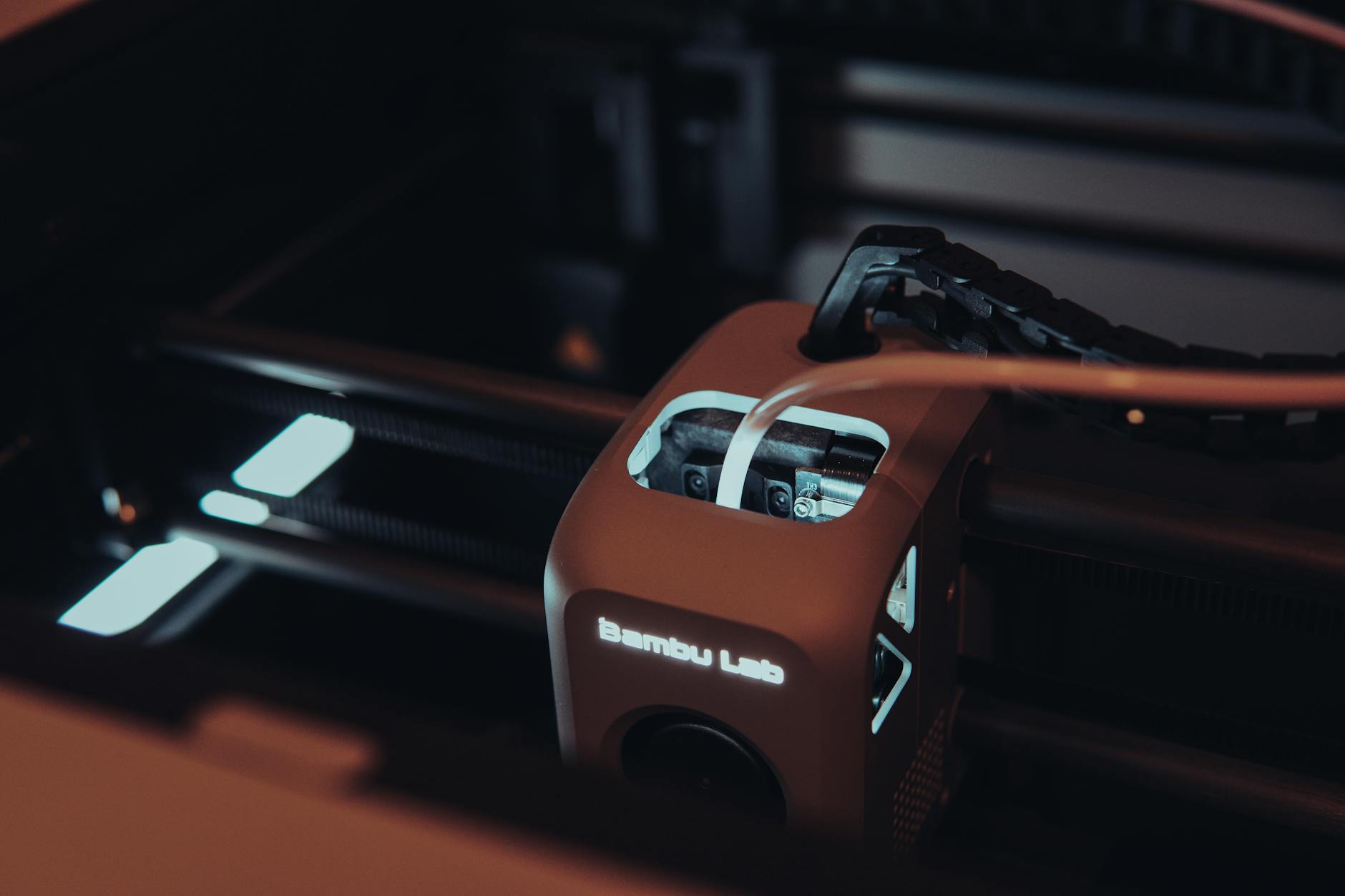
Bambu Lab A1 mini: Speed and Convenience for Rapid Prototyping and Production
For those prioritizing speed and ease of use, the Bambu Lab A1 mini is a compelling option. This printer comes fully assembled and calibrated, ready to print right out of the box. Its enclosed design helps maintain consistent temperatures, improving print quality, especially with materials like ABS. The A1 mini’s standout feature is its multi-color printing capabilities, allowing you to create visually stunning products without manual filament changes. Bambu Lab’s software is user-friendly and streamlined, making it easy to prepare and monitor prints. The AMS (Automatic Material System) significantly reduces the need to manage filament yourself.
While the build volume is smaller than some other printers, the A1 mini is perfect for producing smaller items quickly and efficiently. Its speed and multi-color capabilities can give you a significant advantage in the competitive Etsy marketplace.
Filament Selection: Choosing the Right Materials for Your Etsy Products
The type of filament you use directly impacts the quality, durability, and aesthetics of your 3D printed products. PLA is a popular choice for its ease of use, biodegradability, and wide range of colors. It’s ideal for decorative items, toys, and prototypes. PETG offers greater strength and temperature resistance than PLA, making it suitable for functional parts and items that will be exposed to the elements. ABS is known for its high strength and impact resistance, but it requires a heated bed and good ventilation due to its fumes. TPU is a flexible material that can be used to create phone cases, gaskets, and other pliable items.
Experiment with different filaments to find the best options for your specific product line. Consider factors like cost, durability, aesthetics, and environmental impact when making your decision. Always research the recommended printing settings for each filament to ensure optimal results.
Beyond the Printer: Essential Accessories and Software
While a good 3D printer is the foundation of your Etsy business, you’ll also need some essential accessories and software. A set of tools for removing prints from the build plate, cleaning up supports, and smoothing surfaces is crucial. Consider investing in a good pair of flush cutters, a scraper, and some sandpaper. For software, you’ll need a slicer to prepare your 3D models for printing. Cura and PrusaSlicer are popular free options. You may also want to explore 3D modeling software like Tinkercad (free and beginner-friendly) or Fusion 360 (more advanced but free for hobbyists and small businesses). Effective photography equipment is also crucial so customers can see the fine details of your products.
Don’t underestimate the importance of a well-organized workspace. A dedicated area for your 3D printer, filament storage, and post-processing will help you stay efficient and productive.
Key Takeaways
- 3D printer for business
- Best FDM printer for selling
- Affordable 3D printing setup
- Etsy shop 3D printing
- 3D printing business 2026