
Avoiding the Top 5 Mistakes New 3D Printing Sellers Make on Etsy
New to selling 3D prints on Etsy? Learn how to avoid common pitfalls and set your shop up for success.
Mistake #1: Underpricing Your Products
One of the most common mistakes new 3D printing sellers make is underpricing their products. It’s tempting to set low prices to attract customers, especially when you’re just starting out, but this can quickly lead to unsustainable business practices. You need to consider all of your costs, not just the cost of filament.
Remember to factor in electricity costs, machine maintenance, failed prints, packaging materials, and your time spent designing, printing, and finishing each item. Don’t forget to also account for Etsy’s fees, which can eat into your profits. Use a 3D printing price calculator like SeekMake to accurately determine your production costs and ensure you’re charging a fair price that covers your expenses and allows you to make a profit. Research your competitors, but don’t undercut them to the point where you’re losing money. Value your work and price accordingly!
Mistake #2: Poor Product Photography
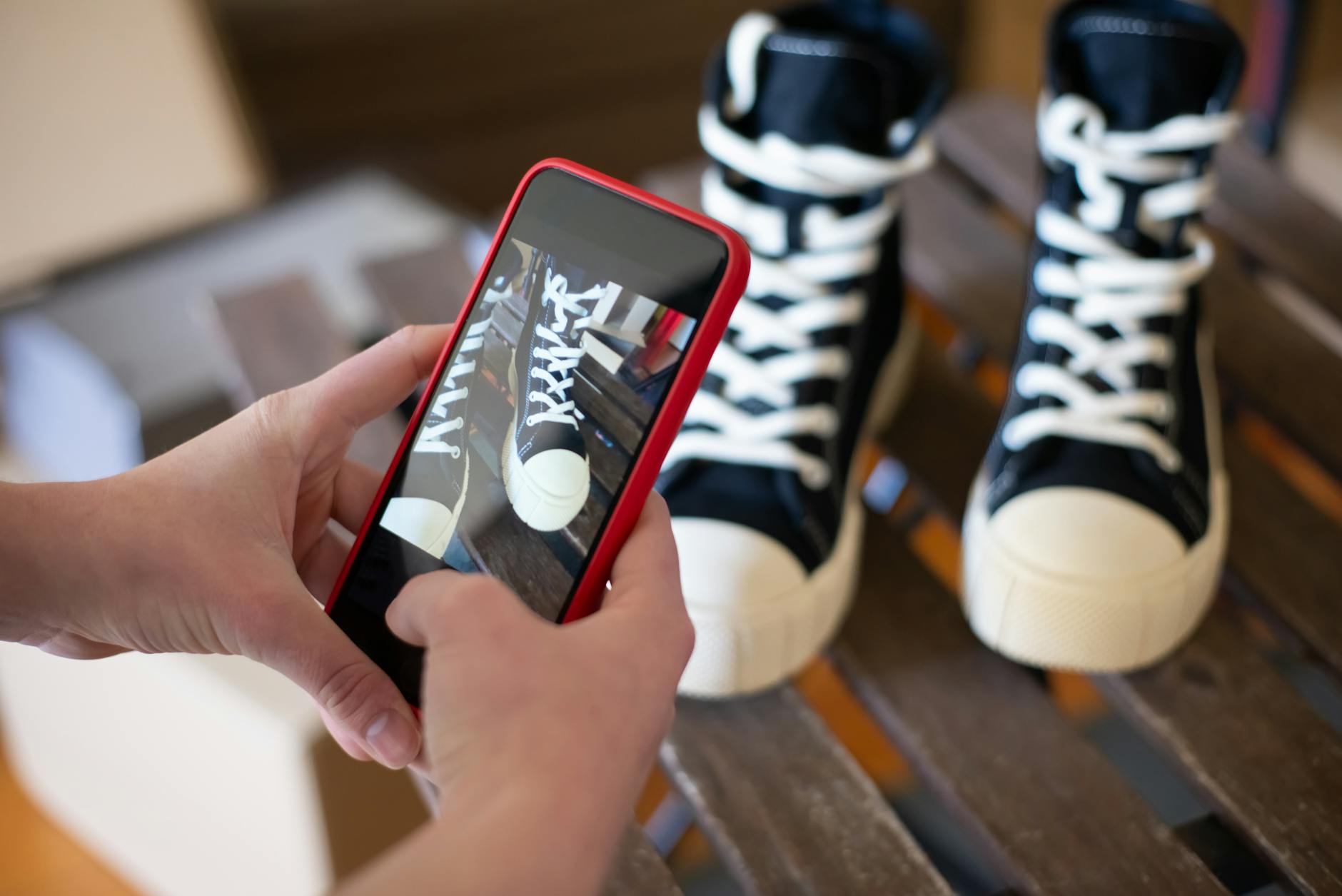
In the world of online sales, product photography is everything. Potential customers can’t physically touch or examine your 3D printed items, so your photos are their only way to assess the quality and detail. Avoid blurry, poorly lit, or uninspired photos. Invest in a simple light box or use natural lighting to showcase your products in the best possible light.
Take multiple photos from different angles, highlighting key features and details. Include photos that show the scale of the item, perhaps by placing it next to a common object like a coin or a pen. Edit your photos to enhance their clarity and color, but avoid over-editing, which can make your products look unrealistic. Showcasing the texture and unique aspects of 3D printing is important, so make sure your photos capture those details. A picture is worth a thousand words, and in this case, it could be worth a sale!
Mistake #3: Inadequate Product Descriptions
While good photos are essential, compelling product descriptions are equally important. Don’t just list the dimensions and materials; tell a story! Describe the item’s purpose, its unique features, and the inspiration behind its design. Use keywords that customers are likely to search for, but avoid keyword stuffing, which can make your description sound unnatural and spammy. Be clear about the materials used, the printing process, and any potential imperfections that are inherent to 3D printing.
Set realistic expectations for your customers. If the item requires assembly or painting, be sure to mention it. Include information about shipping times and your return policy. The more information you provide, the fewer questions you’ll receive from potential buyers, and the more confident they’ll be in making a purchase. Proofread your descriptions carefully to avoid typos and grammatical errors, which can make your shop look unprofessional.
Mistake #4: Ignoring Customer Communication
Customer service is crucial for success on Etsy. Respond promptly and professionally to all inquiries, even if they seem trivial. Be patient and understanding, and always strive to resolve any issues to the customer’s satisfaction. A happy customer is more likely to leave a positive review and become a repeat buyer.
Set up automated responses for frequently asked questions to save time, but don’t rely on them entirely. Personalize your interactions whenever possible to show customers that you care about their business. If you receive a negative review, don’t ignore it or get defensive. Instead, address the customer’s concerns and offer a solution. A thoughtful response to a negative review can actually turn a dissatisfied customer into a loyal one. Remember, your reputation is everything on Etsy, so prioritize excellent customer service.
Mistake #5: Neglecting SEO and Marketing
Creating a great product and setting up a beautiful shop is only half the battle. You also need to make sure that potential customers can find you. Optimize your Etsy shop for search engines by using relevant keywords in your shop title, product titles, and tags. Research popular search terms related to 3D printing and incorporate them into your listings.
Promote your shop on social media platforms like Instagram, Facebook, and Pinterest. Share photos of your products, behind-the-scenes glimpses of your printing process, and customer testimonials. Consider running targeted ads on Etsy or social media to reach a wider audience. Engage with your followers and participate in relevant online communities to build brand awareness. Don’t be afraid to experiment with different marketing strategies to see what works best for your shop. Remember, consistent effort and a strategic approach are key to driving traffic and sales.
Key Takeaways
- Etsy 3D printing mistakes
- 3D printing business advice
- Etsy seller tips
- 3D printing Etsy shop
- Selling 3D prints online