
Cultivating Success: Mastering the Art of Selling 3D Printed Planters in the Home Decor Market
Elevate your 3D printing venture by tapping into the burgeoning demand for bespoke plant decor.
Identifying Your Niche in the Home Decor Landscape
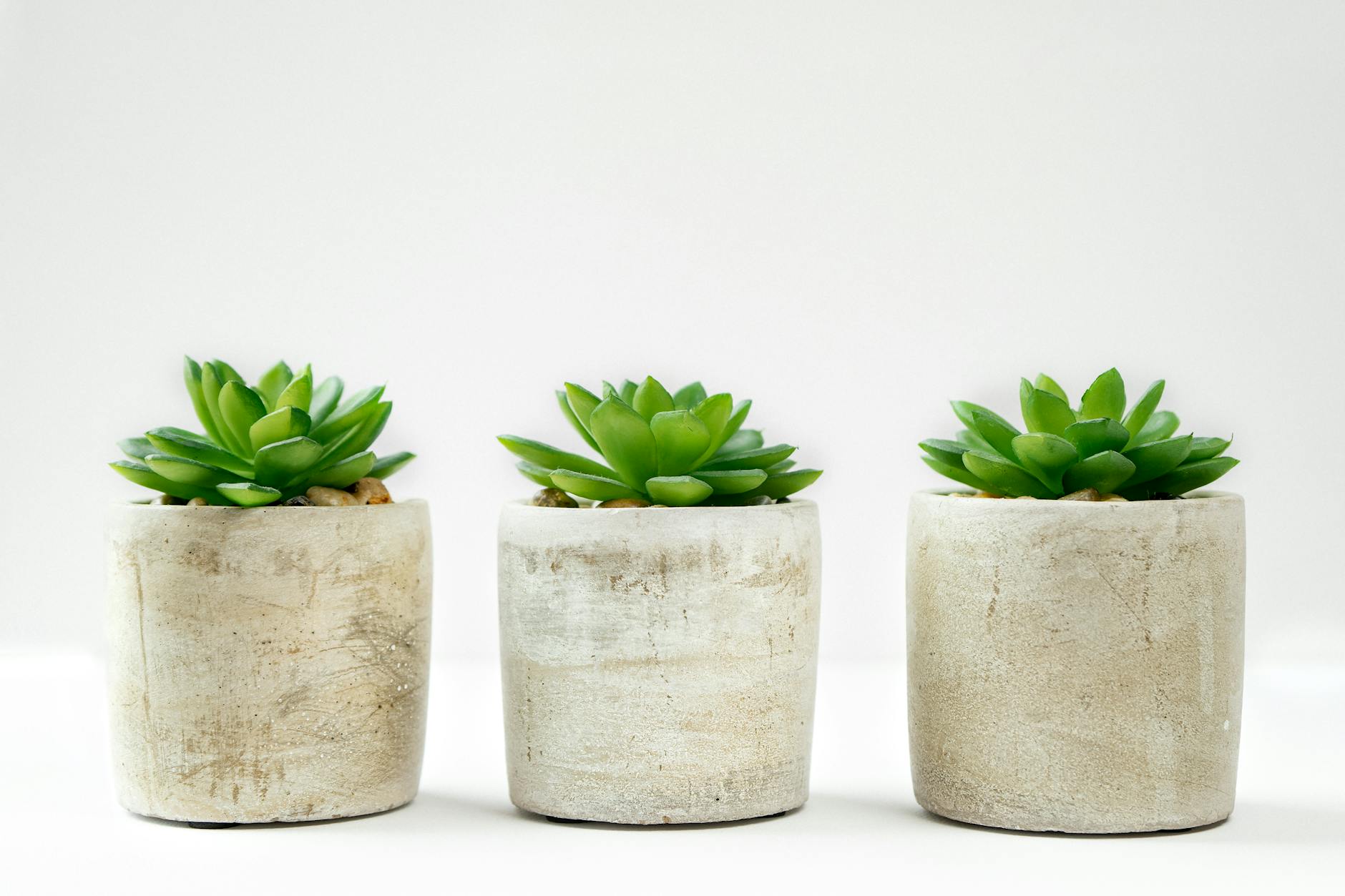
The home decor market is vast, but focusing on a specific niche is crucial for success. Consider targeting minimalist designs, geometric patterns, or even planters designed for specific plant types like succulents or air plants. Research current trends on platforms like Etsy, Pinterest, and Instagram to identify underserved areas. Are there specific colors or materials that are trending? Are customers looking for self-watering planters, hanging planters, or something else entirely? Understanding these trends will help you tailor your product offerings and marketing efforts.
Beyond aesthetics, think about functionality. Can you offer planters with integrated drainage systems, or modular designs that can be customized to fit different spaces? By catering to a specific niche, you can establish yourself as an expert and attract a loyal customer base. Don’t be afraid to experiment and iterate based on customer feedback. The 3D printing process allows for rapid prototyping and customization, giving you a competitive edge in the home decor market.
Designing and Producing High-Quality 3D Printed Planters
The quality of your 3D printed planters will directly impact your brand reputation and customer satisfaction. Invest in high-quality filaments and ensure your printer is properly calibrated. Pay attention to layer adhesion, surface finish, and dimensional accuracy. Consider using durable and weather-resistant materials, especially if your planters are intended for outdoor use. PLA is a popular choice for indoor planters, but PETG or ABS may be more suitable for outdoor applications.
Design plays a critical role. Create visually appealing and functional designs that stand out from the competition. Use 3D modeling software to experiment with different shapes, textures, and patterns. Consider collaborating with designers to bring fresh ideas to your product line. Also, ensure your designs are optimized for 3D printing to minimize material waste and printing time. SeekMake’s price calculator can help you optimize your designs for cost-effectiveness, allowing you to maximize your profit margins without sacrificing quality.

Crafting a Compelling Brand and Visual Identity
In the visually-driven world of home decor, a strong brand identity is essential. Develop a cohesive brand aesthetic that reflects the style and quality of your 3D printed planters. This includes your logo, color palette, typography, and photography. Invest in professional product photography that showcases your planters in realistic and appealing settings. Use high-resolution images and videos to highlight the details and textures of your products.
Your brand story is also important. Share the inspiration behind your designs, the materials you use, and the process of creating your planters. Connect with your audience on a personal level by showcasing your passion for plants and design. This will help you build trust and loyalty with your customers. Consistency is key across all your marketing channels, from your Etsy shop to your social media profiles. A well-defined brand will help you stand out from the crowd and attract the right customers.
Mastering the Art of Selling on Etsy and Beyond
Etsy is a popular platform for selling handmade and unique items, making it an ideal marketplace for 3D printed planters. Optimize your Etsy shop with high-quality product listings, relevant keywords, and competitive pricing. Use compelling product descriptions that highlight the features and benefits of your planters. Offer excellent customer service and respond promptly to inquiries. Encourage customers to leave reviews and testimonials to build social proof.
Beyond Etsy, consider expanding your reach by selling on other platforms like Shopify or your own website. Utilize social media marketing to promote your products and engage with your audience. Run targeted ads on platforms like Facebook and Instagram to reach potential customers who are interested in home decor and plants. Partner with influencers and bloggers to showcase your planters to a wider audience. Explore opportunities to sell your products at local craft fairs and markets. Diversifying your sales channels will help you reach more customers and grow your business.
Optimizing Pricing and Shipping for Profitability
Pricing your 3D printed planters correctly is crucial for profitability. Consider the cost of materials, printing time, post-processing, and packaging. Factor in your desired profit margin and research the pricing of similar products on the market. SeekMake’s price calculator can help you accurately estimate your production costs and determine the optimal pricing strategy. Offer competitive pricing while ensuring you are still making a healthy profit.
Shipping can be a significant expense, especially for larger planters. Explore different shipping options and compare rates to find the most cost-effective solution. Package your planters securely to prevent damage during transit. Offer free shipping on orders above a certain amount to incentivize purchases. Consider using eco-friendly packaging materials to appeal to environmentally conscious customers. Clearly communicate your shipping policies and estimated delivery times to avoid misunderstandings. Efficient shipping and competitive pricing will contribute to customer satisfaction and repeat business.
Key Takeaways
- 3D printed planters Etsy
- Plant accessories 3D print
- Home decor
- 3D printing business
- Etsy shop
- Small business
- 3D printing
- Planters
- Plant accessories
- Home gardening