
FDM vs. Resin 3D Printing: Which is Best for Selling Products?
A beginner's guide to choosing the right 3D printing technology for your product-based business.
Understanding FDM and Resin 3D Printing
So, you’re ready to jump into the exciting world of 3D printing and start selling your creations! That’s fantastic. But before you dive in, you need to understand the two dominant technologies: Fused Deposition Modeling (FDM) and resin 3D printing (Stereolithography (SLA), Digital Light Processing (DLP), and Masked Stereolithography (MSLA)). Both have their strengths and weaknesses, and the best choice for you depends heavily on the types of products you plan to sell.
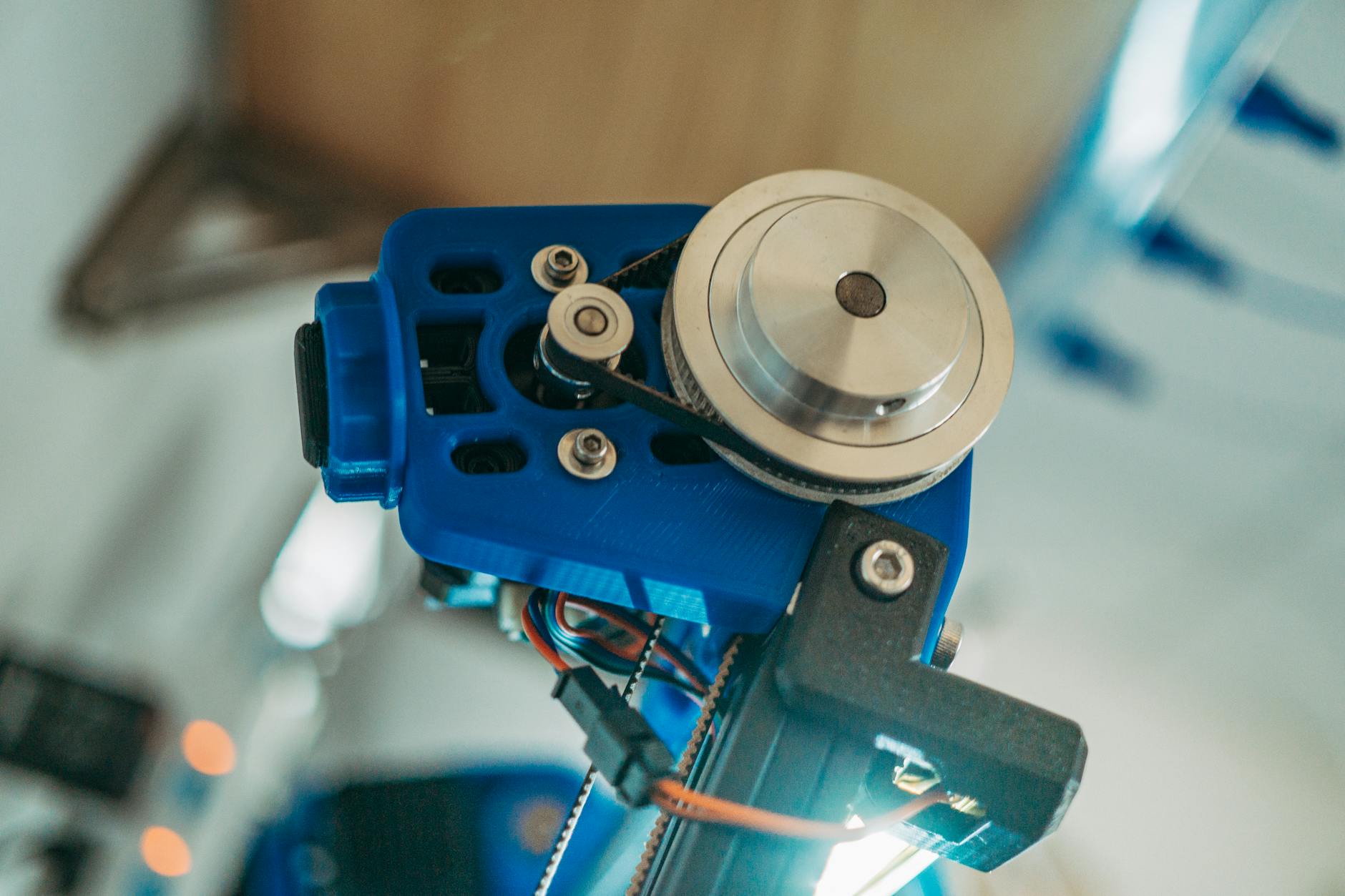
FDM 3D printing works by melting plastic filament and extruding it layer by layer onto a build platform. Think of it like a hot glue gun building a 3D object. It’s a relatively simple process, making FDM printers generally more affordable and easier to maintain. Common FDM materials include PLA, ABS, PETG, and more specialized filaments like carbon fiber-infused or flexible materials.
Resin 3D printing, on the other hand, uses liquid resin that is cured (hardened) by UV light. The printer projects a specific pattern of light onto the resin, solidifying each layer. This process allows for much higher resolution and intricate details compared to FDM. Resin printers are ideal for creating small, highly detailed objects like miniatures, jewelry, and dental models.
Print Quality and Detail: A Clear Winner?
When it comes to print quality, resin 3D printing often takes the crown. The layer resolution achievable with resin is significantly higher than with FDM. This means you can produce objects with incredibly fine details, smooth surfaces, and minimal visible layering. If you’re selling products where aesthetics are paramount, such as intricate figurines, jewelry, or architectural models, resin printing is likely the better option.
FDM prints, while improving constantly with new technology, often exhibit visible layer lines. Post-processing techniques like sanding and painting can mitigate this, but they add extra time and effort to your workflow. However, for larger functional parts or prototypes where extreme detail isn’t critical, FDM’s print quality is often sufficient and can be more cost-effective.
Consider your target market and their expectations. Will they appreciate the fine details achievable with resin, or will the robustness and lower cost of FDM prints be more appealing? Understanding your customers’ needs is crucial in making the right choice.

Material Properties and Applications
The materials used in FDM and resin 3D printing have distinct properties that make them suitable for different applications. FDM offers a wider range of materials, including strong and durable plastics like ABS and PETG, as well as flexible filaments like TPU. This makes FDM suitable for creating functional parts, prototypes, and objects that need to withstand stress or impact. FDM printed parts are often more durable and heat-resistant than resin prints, depending on the specific filament used.
Resin materials, while offering excellent detail, are often more brittle and less heat-resistant than FDM plastics. However, there are specialized resins available that offer improved strength, flexibility, and heat resistance. These engineering-grade resins can expand the range of applications for resin 3D printing, but they also tend to be more expensive. Resin is generally considered better for display pieces or items that require fine detail but aren’t subject to heavy use.
Think about the intended use of your products. Will they be used indoors or outdoors? Will they be subjected to high temperatures or impacts? The answers to these questions will help you determine which material, and therefore which 3D printing technology, is most appropriate.
Cost Considerations: Initial Investment and Running Costs
Cost is a significant factor for any business. Generally, FDM printers are more affordable than resin printers, especially at the entry level. You can find decent FDM printers for a few hundred dollars, while resin printers often start at a higher price point. However, the initial investment is just one part of the equation. Running costs also need to be considered.
FDM filament is typically cheaper than resin, making it more cost-effective for producing larger quantities of prints. However, FDM printers may require more maintenance and replacement parts over time. Resin printing requires additional costs for consumables like isopropyl alcohol (IPA) for cleaning prints and replacement FEP films for the resin vat. The lifespan of the LCD screen in MSLA printers is also a factor to consider.
Factor in the cost of post-processing. FDM prints may require sanding, painting, or other finishing steps, while resin prints often need thorough cleaning and UV curing. Consider your time and labor costs as well. Use a 3D printing price calculator like SeekMake to estimate the true cost of production for each technology and material.
Ease of Use and Workflow
FDM printers are generally considered easier to use, especially for beginners. The setup and calibration process is often simpler, and there’s less mess involved. Filament is easy to handle, and failed prints are typically easier to clean up. However, FDM printing can be prone to issues like warping and bed adhesion, which can require some troubleshooting.
Resin printing can be a bit more complex. Handling liquid resin requires care and attention to safety precautions, such as wearing gloves and working in a well-ventilated area. The post-processing steps, including cleaning and curing, can also be time-consuming and require specific equipment. However, resin printing software often provides excellent support generation, which can be beneficial for complex models.
Consider your technical skills and comfort level. Are you comfortable with a bit of tinkering and troubleshooting, or do you prefer a more straightforward process? Choose the technology that aligns with your skills and available time.
So, Which is Better for Selling Products?
There’s no single “best” 3D printing technology for selling products. The ideal choice depends entirely on your specific needs and circumstances. If you’re selling large, functional parts or prototypes and want to minimize costs, FDM printing is a solid option. If you’re focused on creating highly detailed miniatures, jewelry, or other intricate objects where aesthetics are critical, resin printing is likely the better choice.
Consider starting with one technology and expanding later. Many businesses begin with FDM printing due to its lower cost and ease of use, then add resin printing capabilities as their business grows and their product line expands. Ultimately, the key is to carefully evaluate your product requirements, budget, and technical capabilities to make an informed decision.
Don’t be afraid to experiment and learn! The world of 3D printing is constantly evolving, with new materials and technologies emerging all the time. Stay curious, keep learning, and you’ll be well on your way to building a successful 3D printing business.
Key Takeaways
- FDM 3D printing
- Resin 3D printing
- 3D printing business
- Selling 3D prints
- Best 3D printer